In the process of using 3D printer, the cleaning and maintenance of extruder is an important link to ensure printing quality and equipment life. With long-term use, residual plastics, dust or impurities may accumulate in the extruder, which may lead to poor extrusion, nozzle blockage and even affect printing accuracy. Therefore, cleaning the extruder regularly is a basic skill that every 3D printing enthusiast and professional user should master.
First, why do you want to clean the extruder?
Extruder is one of the core components of 3D printer, and its main function is to heat and evenly extrude consumables onto the printing platform. However, different types of consumables (such as PLA, ABS, PETG, etc.) may produce residues during the heating process, especially after frequent material replacement or long-term use, these residues are easy to carbonize and agglomerate, thus causing blockage or uneven discharge. In addition, dust and impurities in the air may also enter the extruder and attach to the surface of the parts, affecting its normal operation.
Second, the main steps of cleaning the extruder
Step 1 prepare for work
Before cleaning, you need to turn off the power of the 3D printer to ensure safe operation. Then prepare the necessary tools, such as fine copper wire brush, cotton swab, anhydrous alcohol, screwdriver, hot air gun or hair dryer, lubricating oil, etc.
2. Heating cleaning method (hot extrusion method)
A common and effective cleaning method is "hot extrusion" cleaning. Heat the extruder above the melting point of the currently used materials (for example, PLA can be heated to about 220℃), and then manually or through software control to extrude some cleaning consumables or special cleaning wires. This method can effectively remove the residues inside the extruder and in the nozzle.
3. Disassembly and cleaning
If it is found that the extrusion is not smooth or the blockage has occurred, it may be necessary to disassemble the extruder part for deep cleaning. Usually, it is necessary to remove the fan, heat conduction block, nozzle and other components, and use a fine needle or special cleaning tool to remove carbon and impurities inside. Pay attention to be careful when operating to avoid damaging precision parts.
4. External cleaning
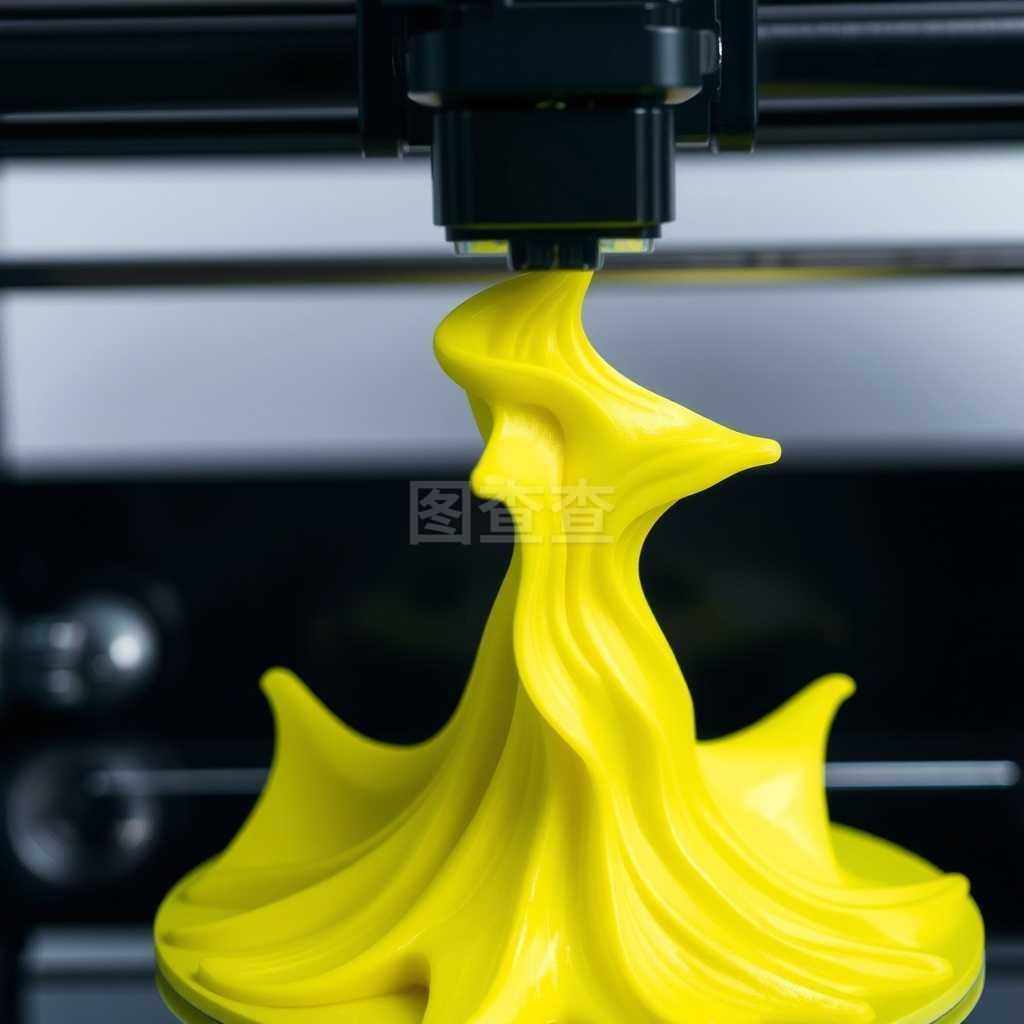
The outside of the extruder also needs to be wiped regularly, especially the gear and guide groove parts. Using a cotton swab dipped in a small amount of anhydrous alcohol for cleaning can remove the attached plastic debris and oil stains. Grease can be properly applied after cleaning to reduce friction and prolong service life.
Third, use special cleaning consumables
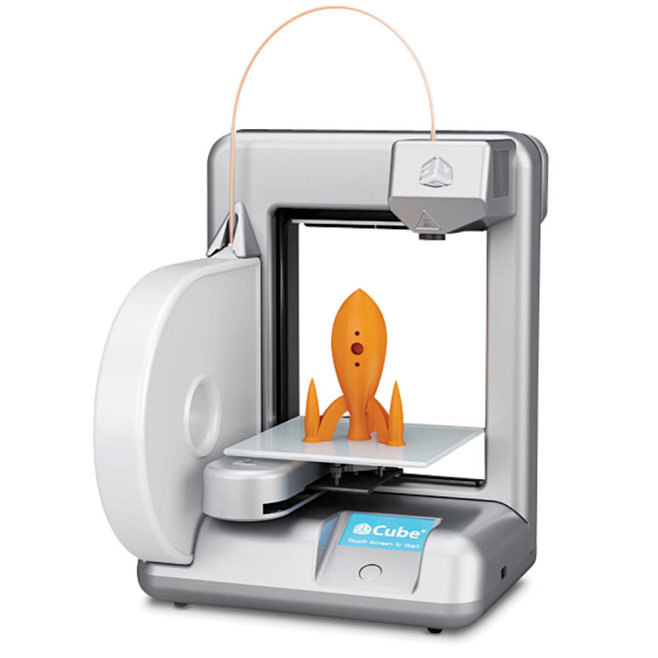
At present, there are "Cleaning Filament" specially used for cleaning extruders on the market, such as brands such as Fillea and 3D-Solute. These consumables have good adhesion and cleaning effect, and can absorb and take away impurities in the extruder at high temperature, which is a more convenient cleaning method.
Fourth, maintenance suggestions
-It is recommended to run a section of cleaning wire for simple cleaning after each replacement of consumables.
-Regularly check whether the extrusion wheel is worn or fouled, and clean or replace it if necessary.
-Avoid replacing high-temperature materials and low-temperature materials without thorough cleaning.
-Keep the printing environment clean and reduce dust entering the equipment.
V. Conclusion
Correctly cleaning and maintaining the extruder can not only prolong the service life of the 3D printer, but also significantly improve the printing quality and stability. As a user of 3D printing, it is very necessary to master basic cleaning skills. Only when the equipment is in good condition can we give full play to the advantages of 3D printing technology and create more detailed and professional works.
Through daily careful maintenance and regular professional cleaning, we can always keep the 3D printer in the best condition and go further on the road of creation.

 Hotline:18914229323

 18914229323
 huichangwen@126.com