With the enhancement of environmental awareness and the increasing attention to sustainable development in the world, Biodegradable Materials are gradually becoming an important choice to replace traditional plastics. However, in the face of a wide variety of degradable materials in the market, how to choose and apply them scientifically and reasonably has become a key issue facing the industry at present.
First of all, the selection of Biodegradable materials should be analyzed according to specific application scenarios. The use conditions in different fields are quite different, such as packaging, agriculture, medical care or textile industries, and the requirements for mechanical properties, temperature resistance and degradation speed of materials are different. For example, in the field of food packaging, materials should have good barrier and food safety; In agricultural plastic film, more attention is paid to the degradation efficiency of materials in the natural environment and the impact on soil ecology.

Secondly, the degradation performance of materials is the core consideration in the selection process. The ideal degradable material should be completely degraded under specific environmental conditions (such as aerobic, anaerobic, high temperature or microorganism-rich environment) to produce harmless substances. Therefore, when selecting materials, we should refer to international standards (such as ISO 14855, ASTM D6400, etc.) to ensure that they meet the requirements of environmental certification. In addition, it is necessary to evaluate whether it can be effectively decomposed in the target environment after actual use to avoid the problem of "pseudo-degradation".
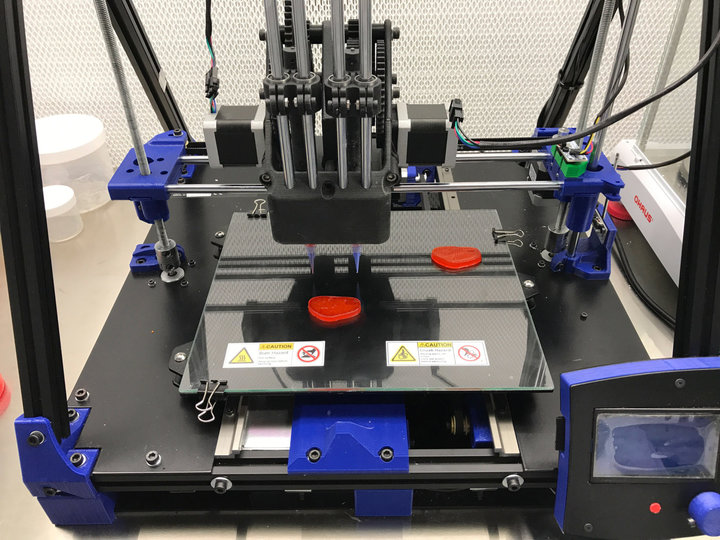
Third, the cost and processing performance can not be ignored. Although environmental performance is the primary goal, enterprises still need to give consideration to economy and production feasibility. At present, some degradable materials have high cost and complex processing technology, which limits their wide application. Therefore, when selecting materials, factors such as raw material price, molding technology and equipment adaptability should be considered comprehensively to achieve a balance between environmental protection and economic benefits.

Finally, policies and regulations and market demand are also important factors to promote the application of Biodegradable materials. Countries have different standards and incentive policies for degradable products, so enterprises should pay close attention to relevant policy trends, conform to market trends, and choose materials that meet the requirements of laws and regulations and have good market prospects.
To sum up, the selection and application of Biodegradable materials is a systematic project, which needs to be comprehensively evaluated from application scenarios, degradation performance, cost-effectiveness and policies and regulations. Only by selecting materials scientifically and applying them reasonably can we truly realize the goal of green and sustainable development.

 Hotline:18914229323

 18914229323
 huichangwen@126.com