With the continuous development of additive manufacturing (3D printing) technology, Material Jetting, as a high-precision and multi-material compatible printing technology, is widely used in industrial design, medical model, electronic product shell and other fields. In this technology, the selection of photosensitive resin is very important, which not only determines the final performance of printed parts, but also directly affects the stability of printing process and the quality of finished products. Therefore, the reasonable selection of photosensitive resin suitable for Material Jetting process is the key step to ensure the success of printing.
First, understand the working principle of Material Jetting
In the process of Material Jetting, liquid photosensitive resin is sprayed to the building platform through the nozzle as required, and then cured immediately by ultraviolet light. This process requires the resin to have good fluidity, rapid curing ability and stable chemical properties. Therefore, when selecting materials, it is necessary to pay special attention to their physical and chemical characteristics such as viscosity, curing speed and shrinkage.
Second, choose the appropriate resin type according to the application requirements.
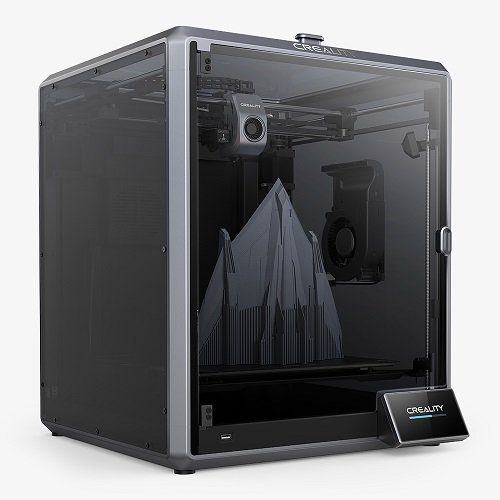
Material Jetting supports simultaneous printing of multiple materials, so there are many kinds of resins, mainly including:
1. Standard resin: suitable for rapid prototyping, low cost, and suitable for appearance verification and basic function test.
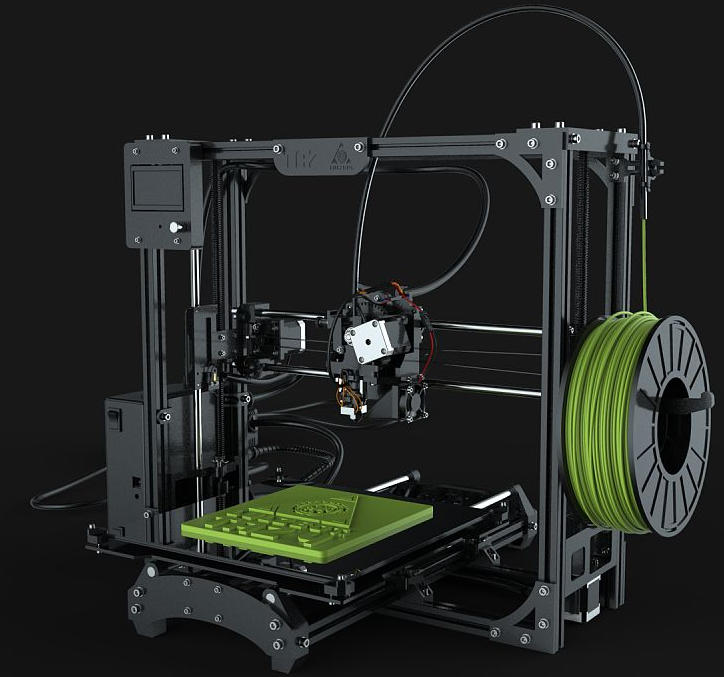
2. Engineering resin: It has high mechanical strength and heat resistance, such as ABS-like and PP-like resin, and is suitable for functional parts and engineering verification.
3. Biocompatible resin: It conforms to the ISO 10993 standard and is commonly used in the medical field, such as dental models and surgical guides.
4. Transparent resin: It has good optical properties and is suitable for optical components, lenses and other applications.
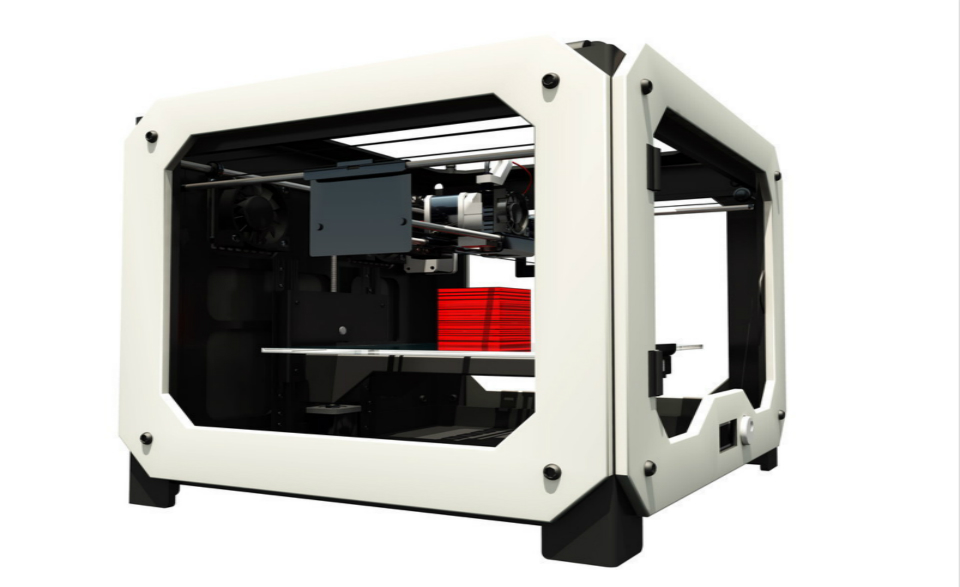
5. Flexible resin: simulating rubber material, suitable for testing products that need elasticity and flexibility.
Choosing the appropriate resin type according to the specific application scenario can significantly improve the performance and applicability of printed parts.
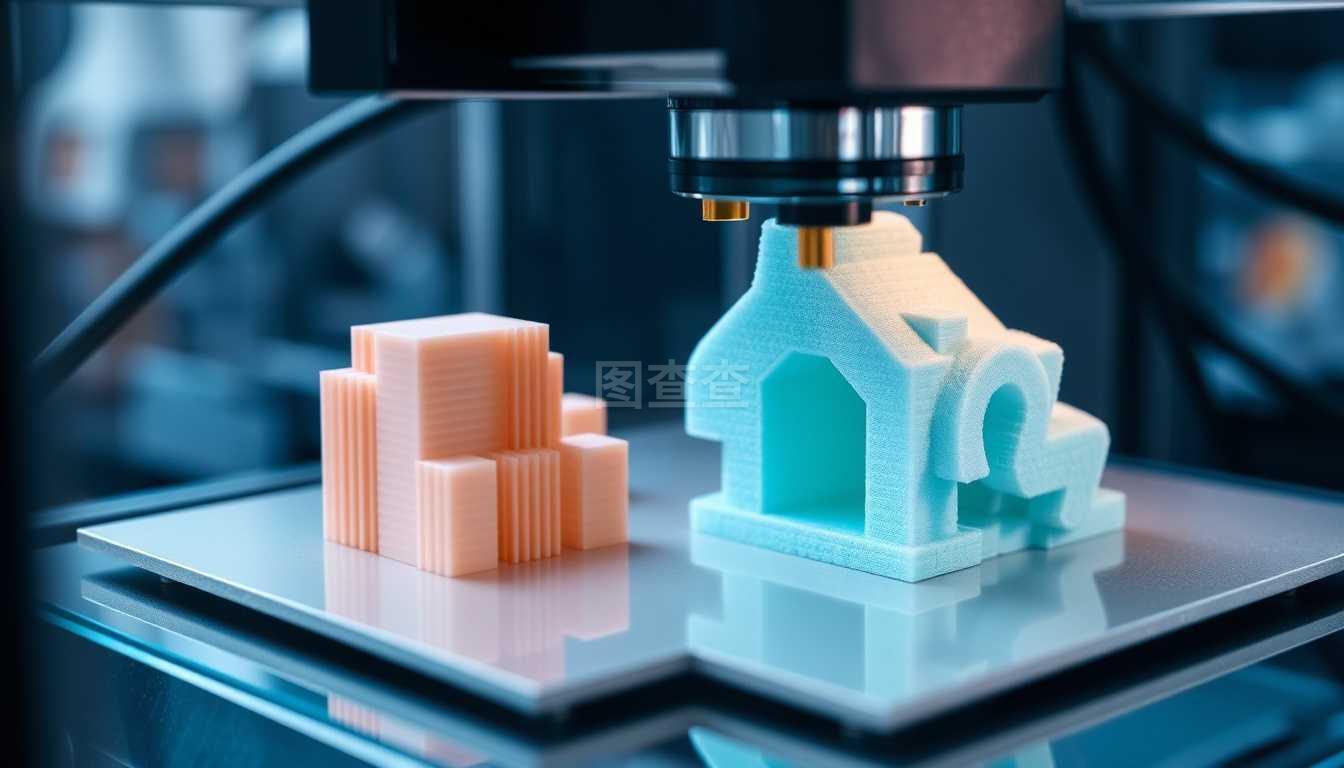
Third, consider the compatibility of materials and the limitations of printing equipment.
Different brands and models of Material Jetting equipment have different adaptability to resin. For example, Stratasys series devices usually use their proprietary resins, while some open source or third-party devices may support more types of resins. Before use, it is necessary to confirm whether the resin is compatible with the printing equipment, and ensure that its viscosity, UV curing response and other parameters meet the requirements of the equipment, so as to avoid problems such as nozzle blockage and poor curing.
Fourth, evaluate the cost and sustainability of materials
High-performance resin is often expensive, so material cost, printing efficiency and post-processing difficulty should be considered comprehensively at the beginning of the project. In addition, environmental factors have gradually become an important consideration in material selection. Some new resins have lower VOC emissions, recyclability or bio-based sources, which is helpful for enterprises to achieve sustainable development goals.
V. Conduct necessary tests and verifications.
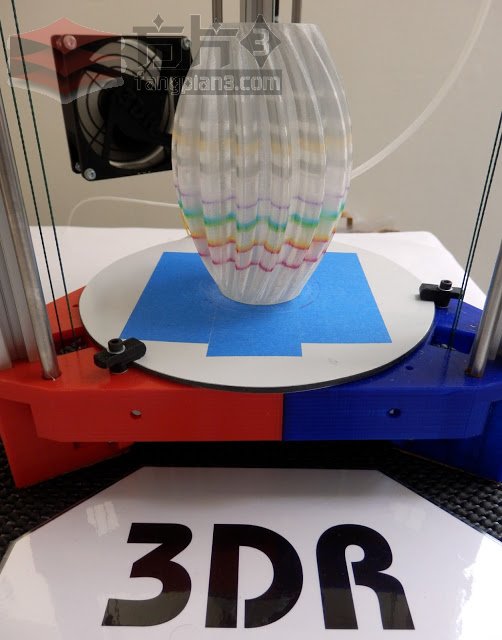
Before formal use, it is suggested that the selected photosensitive resin be tested by small sample printing to evaluate its interlayer bonding strength, surface smoothness, dimensional accuracy and post-treatment effect. Through the experimental verification, it can be more accurate to judge whether the materials meet the project requirements.
---
Conclusion:
The potential of Material Jetting technology lies in its high precision and diversified material support, and photosensitive resin, as the core consumables, directly affects the quality and performance of printed results. Only by deeply understanding the material characteristics, equipment compatibility and application scenarios can we make a scientific and reasonable choice, so as to give full play to the advantages of Material Jetting and improve product development efficiency and market competitiveness.

 Hotline:18914229323

 18914229323
 huichangwen@126.com