With the continuous development of 3D printing technology, its application field has expanded from prototype manufacturing to direct production of functional parts. However, 3D printed parts often cannot meet the needs of high-end industrial products in terms of surface smoothness, wear resistance and conductivity. Therefore, vacuum coating technology, as an advanced surface treatment technology, is widely used to improve the physical properties and appearance quality of 3D printed parts. This paper will introduce in detail the technological process, technical points and application advantages of vacuum coating for 3D printed parts.
1. What is vacuum coating?
Vacuum coating is a technology of evaporating or sputtering metal or other materials on the surface of substrate to form a thin film in vacuum environment. This technology can significantly improve the surface hardness, conductivity, reflectivity, corrosion resistance and other properties of materials, and is widely used in the fields of electronics, aerospace, automobiles and decorations.
Common vacuum coating methods include vacuum evaporation, magnetron sputtering and ion plating. Among them, magnetron sputtering and ion plating are widely used in the processing of 3D printed parts because of their dense film and strong adhesion.
Second, why do 3D printed parts need vacuum coating?
3D prints usually have the following problems:
1. Rough surface: Due to the limitation of printing layer thickness and process, the surface of printed parts is usually not as smooth as that of traditional processed parts.
2. Limited mechanical properties: some 3D printing plastic or resin materials have insufficient strength and wear resistance.
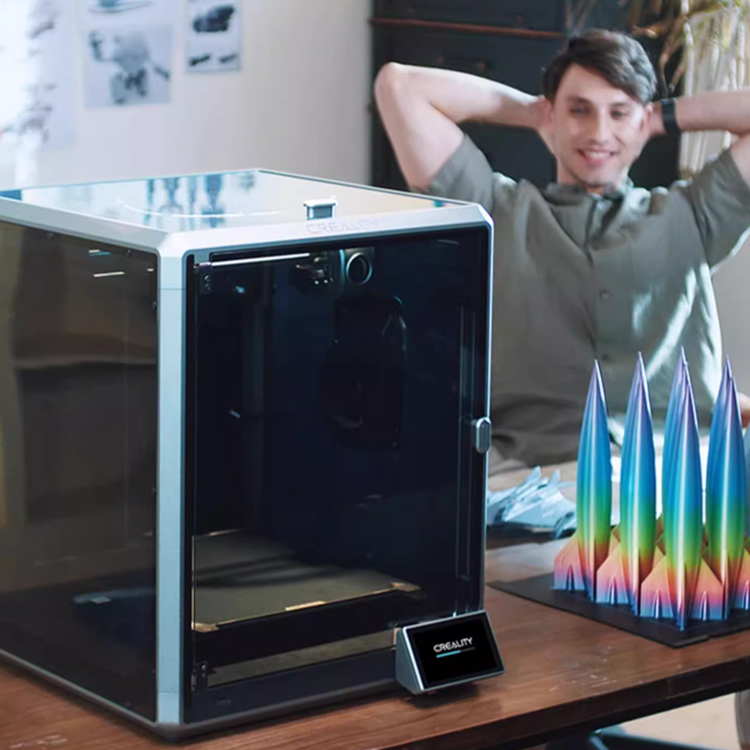
3. Poor conductivity: Non-metallic materials cannot be directly used in electronic devices.
4. Poor appearance: it is difficult to meet the appearance requirements of high-end products.
Through vacuum coating, the parts can be endowed with metallic texture, surface hardness, electrical conductivity and even electromagnetic shielding without changing the structure.
Third, the basic process of vacuum coating for 3D printed parts
# 1. Pretreatment
Pretreatment is the key step to ensure the adhesion and quality of coating;
-Cleaning: using ultrasonic cleaning equipment to remove impurities such as oil and dust;
-Polishing: Polishing the surface of printed parts to reduce roughness;
-Priming treatment (if necessary): spraying conductive primer or adhesive layer on nonmetallic materials to enhance the adhesion of coating.
# 2. Vacuum coating
Put the pretreated workpiece into vacuum coating equipment, and select the appropriate coating method according to the requirements:
Vacuum evaporation: suitable for decorative coatings, such as gold and silver coatings;
-Magnetron sputtering: it can be plated with metal, alloy, oxide, etc., and the film is dense, which is suitable for functional coating;
-Ion plating: Coating in high-temperature and high-energy environment, with good adhesion, suitable for wear-resistant and high-temperature resistant scenes.
# 3. Post-processing
According to the purpose, the surface is sealed or protected by painting to prevent oxidation or improve wear resistance.
Fourth, application examples and advantages
-Electronic product shell: conducting electricity and shielding electromagnetic interference by vacuum plating;
-Automotive interior parts: enhance texture, enhance wear resistance and weather resistance;
-Medical equipment: plated with antibacterial metal to meet hygiene requirements;
-Art and jewelry: quickly manufacture and give metallic luster, and reduce costs.
tag
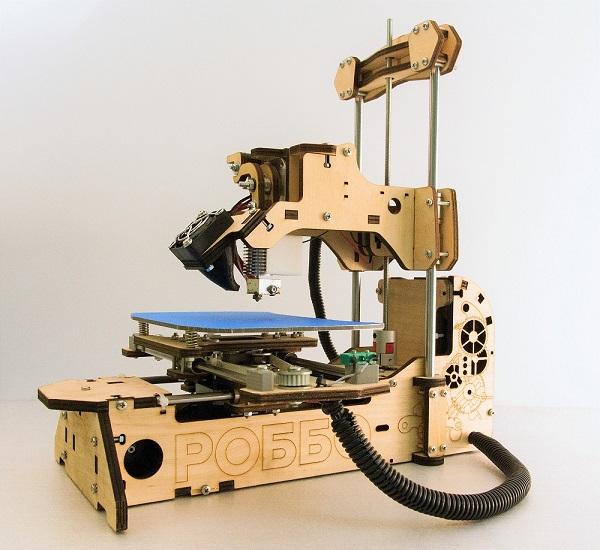
The combination of 3D printing and vacuum coating provides a new solution for personalized manufacturing and high-performance parts production. With the continuous progress of technology, the surface treatment of 3D printed parts will be more refined in the future, and the application fields will be continuously expanded. For the manufacturing industry, mastering this composite technology will help to enhance the added value of products and meet the growing diversified market demand.

 Hotline:18914229323

 18914229323
 huichangwen@126.com