First of all, reasonable selection of printing materials is the key to reduce the waste of consumables. At present, common 3D printing materials include plastics such as PLA, ABS and PETG, as well as metals and ceramics. The performance and cost of different materials are quite different, so choosing suitable materials reasonably according to the printing requirements can effectively avoid unnecessary waste. For example, when printing non-functional models, it is more environmentally friendly to use PLA materials with low cost and easy degradation.
Secondly, optimizing the model design and slicing parameters is also helpful to reduce the use of consumables. By using intelligent modeling software to hollow design the model, reducing the filling ratio, or reducing the wall thickness without affecting the structural strength, the material consumption can be significantly reduced. At the same time, adjusting the density and distribution of supporting structures in slicing software can also effectively reduce the use of supporting materials, thus achieving efficient use of resources.

In addition, the use of recyclable materials is also an important means to reduce waste. Some advanced 3D printers have supported the use of recycled plastic particles as printing consumables, which not only reduces the material cost, but also reduces the impact on the environment. Some enterprises are also exploring the establishment of a consumable recycling system to reprocess waste printed materials into usable materials and realize recycling.
Furthermore, accurate control of the printing process can also reduce material loss. For example, by using closed printing bin, accurately controlling printing temperature and cooling system, waste caused by printing failure or material deformation can be reduced. At the same time, maintaining the equipment regularly and ensuring the nozzle unobstructed will also help to improve the printing success rate and avoid the waste of materials caused by equipment failure.
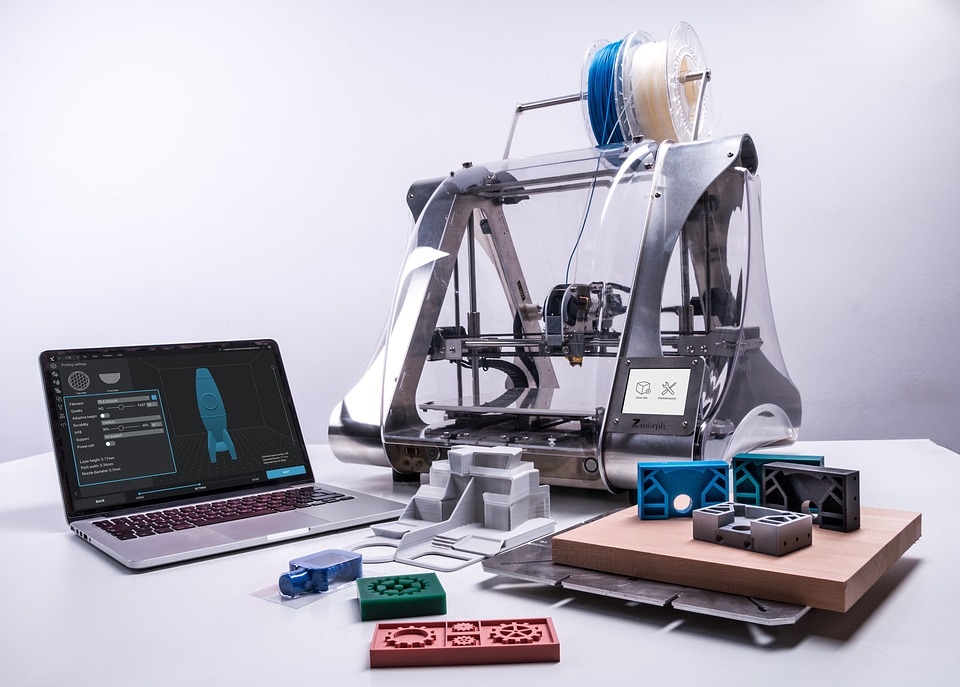
Finally, education and training are equally important. Strengthening technical training for users in schools and enterprises to improve their understanding and proficiency in printing process will help reduce the waste of materials caused by human errors.
To sum up, the waste of consumables in 3D printing can be effectively reduced through reasonable material selection, optimized design, recycling, precise control and enhanced training. With the continuous development of technology and the enhancement of environmental awareness, the future 3D printing will be greener and more efficient, and will go further on the road of sustainable development.

 Hotline:18914229323

 18914229323
 huichangwen@126.com