With the wide application of 3D printing technology, more and more users use 3D printed products in outdoor environment or direct sunlight scenes, such as model display, outdoor tool accessories, decorations and so on. However, many 3D printing materials will appear aging phenomenon after long-term exposure to ultraviolet (UV), such as color fading, surface cracking, strength decline and so on. Therefore, how to effectively prevent the ultraviolet aging of 3D printed parts has become an important issue.
First, understand the causes of ultraviolet aging
Ultraviolet aging is mainly due to the photochemical reaction of polymer materials after being irradiated by ultraviolet rays, which leads to the breakage or crosslinking of molecular chains, thus causing the decline of material properties. Common 3D printing materials, such as PLA, ABS, PETG, etc., belong to polymer materials and are prone to aging under sunlight. Among them, PLA is particularly sensitive, and its molecular structure is easy to hydrolyze and oxidize under UV irradiation, which leads to embrittlement of materials.
Second, choose anti-ultraviolet materials
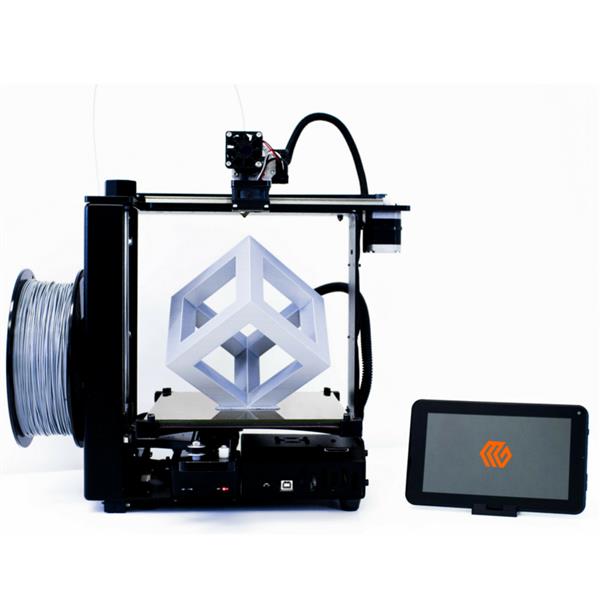
The most direct way to prevent ultraviolet aging is to choose materials with ultraviolet resistance:
1. ASA (Acrylonitrile-Styrene-Acrylate Copolymer): This is an engineering plastic specially designed for outdoor applications. It has excellent ultraviolet resistance and is often used in automobile parts and outdoor equipment.
2. UV-resistant PLA wire: There are already PLA consumables specially added with UV stabilizers in the market, which can delay the aging process to a certain extent.
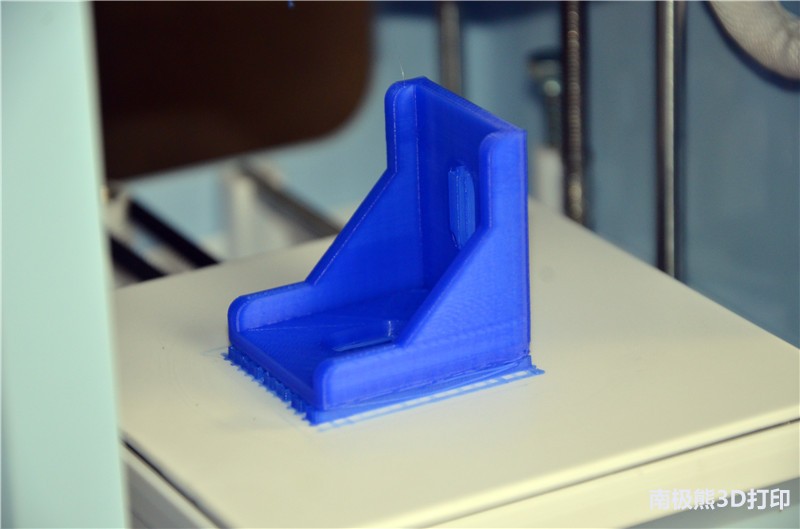
3. Polycarbonate (PC) and nylon (PA): These high-strength materials also have good UV resistance and are suitable for applications with high requirements on strength and weather resistance.
Third, the coating protection
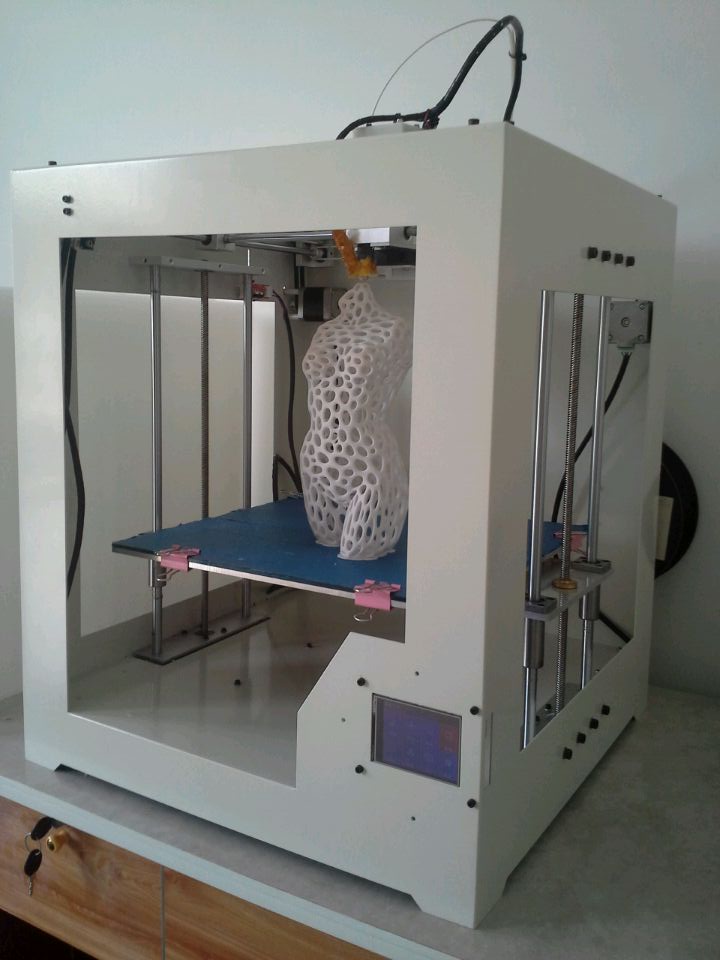
For printed articles, if ordinary materials are used, coating can be used for protection:
1. Spraying UV protective paint: There is a UV protective coating specially used for plastic products in the market, which can effectively block the invasion of ultraviolet rays after spraying.
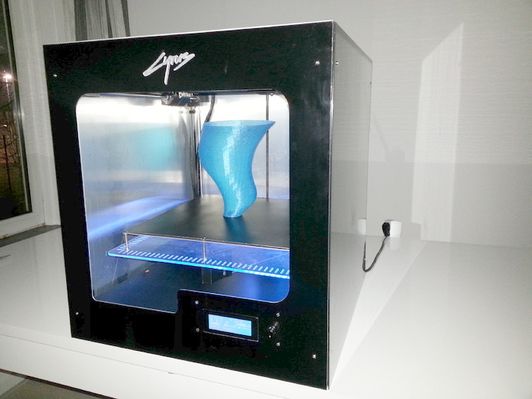
2. Spray painting+varnish protection layer: After spraying primer and color paint on the surface of printed parts, cover them with a layer of transparent varnish containing UV stabilizer, which can significantly improve their weatherability.
3. Nano-coating: Some new nano-material coatings not only have good anti-ultraviolet performance, but also have additional functions such as waterproof and antifouling.
Fourth, design and use suggestions
1. Avoid long-term exposure: If possible, try to place the 3D printed parts in a sunshade or indoor environment to reduce the direct ultraviolet irradiation time.
2. Surface treatment: by polishing, grinding and other means, the micro cracks and unevenness on the surface of printed parts are reduced, and the path of ultraviolet ray erosion is reduced.
3. Adding anti-UV additives: Before printing, anti-UV masterbatch can be mixed with consumables to enhance the anti-aging performance of the material itself.
tag
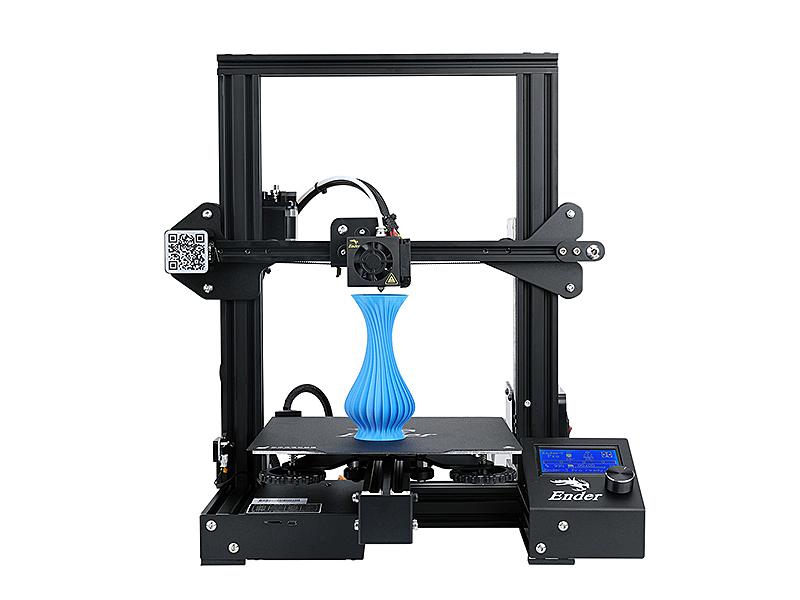
Although 3D printing materials are generally fragile in the face of ultraviolet rays, the service life and aesthetics of printed parts can be greatly prolonged by reasonable selection of materials, post-treatment and use of protective coatings. For 3D printing products that need long-term outdoor use, anti-ultraviolet treatment is an important link that cannot be ignored. With the development of new materials and new processes, it is believed that the anti-ultraviolet performance of 3D printed parts will be greatly improved in the future.

 Hotline:18914229323

 18914229323
 huichangwen@126.com