With the continuous progress of science and technology, 3D printing technology is gradually infiltrating into all walks of life, including the music field. In recent years, more and more musicians, musical instrument makers and enthusiasts began to use 3D printing technology to make musical instruments and their accessories. This not only brings new possibilities for traditional musical instrument manufacturing, but also provides a new solution for personalized customization and low-cost production.
I. Introduction of 3D printing technology
3D printing, also known as Additive Manufacturing, is a technology to manufacture three-dimensional objects by stacking materials layer by layer. It can accurately print out complex structures and shapes according to digital model files. Compared with traditional manufacturing methods, 3D printing has the advantages of flexible design, high material utilization rate and rapid proofing.
Second, the application of 3D printing in musical instrument accessories
There are many kinds of musical instrument accessories, including bow adjuster, tail rope of stringed instrument, mouthpiece of wind instrument, drumstick of percussion instrument, guitar tuner bracket and so on. Although these accessories are small in size, they play a vital role in the performance. Traditional parts manufacturing mostly adopts metal casting or plastic injection molding, which has complex process and high cost, and 3D printing provides a new solution to these problems.
1. Customized design: Each musician's usage habits and body structure are different. For example, the tail rope of violin or cello can be personalized according to the player's height and arm length to improve the performance comfort.

2. Quick proofing and modification: In the design stage, 3D printing can quickly produce physical samples, which is convenient for testing and adjusting the size and shape, greatly shortening the research and development cycle.
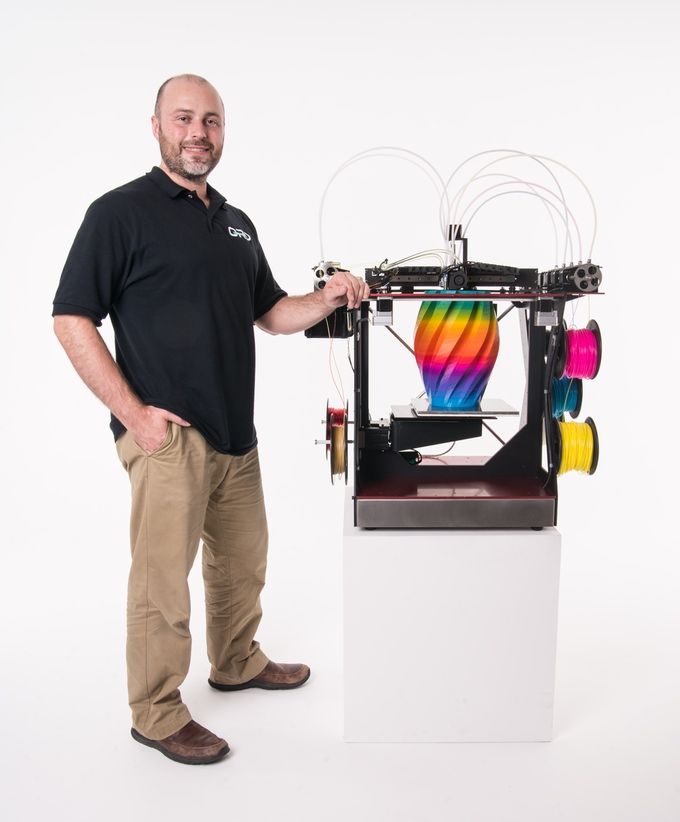
3. Lightweight and strength: Some high-performance polymer materials (such as nylon, PLA, ABS, etc.) not only have good strength, but also reduce the weight of accessories and are suitable for long-term performance.
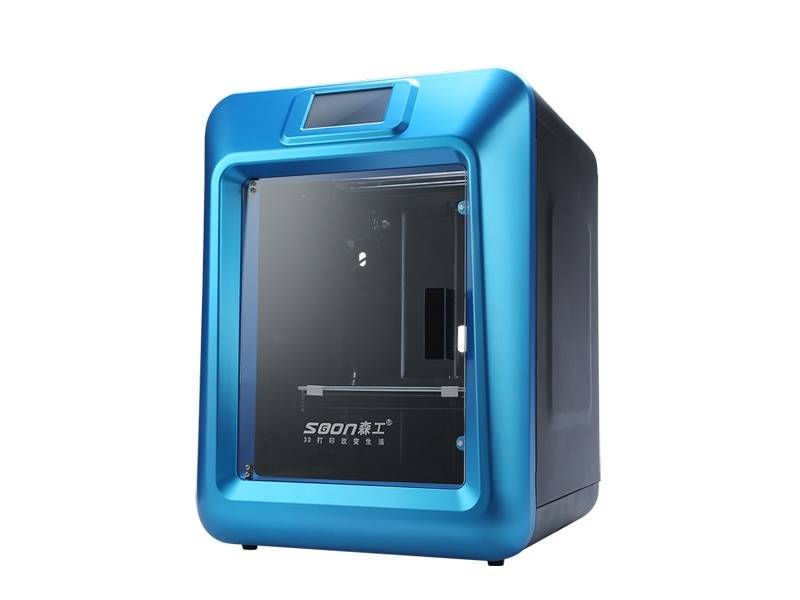
4. Low-cost trial production and production: For small-batch requirements or special-purpose accessories, 3D printing avoids the high cost of traditional mold manufacturing, and is especially suitable for independent musicians or small studios.
Third, the actual case
In recent years, several successful cases have demonstrated the application of 3D printing in musical instrument accessories. For example, some musicians use 3D printing to make personalized guitar stands, which are not only unique in appearance, but also more stable. There are also piano makers who use 3D printing technology to make the codes and tail hooks of violins, which are both beautiful and practical.
In addition, some international orchestras and schools have begun to try to use 3D printing for educational purposes, so that students can learn physical acoustics, engineering design and music knowledge by designing and printing musical instrument accessories, thus achieving interdisciplinary teaching integration.
Fourth, the future outlook
Although the application of 3D printing in the field of musical instrument accessories is still in the development stage, it has great potential. With the continuous enrichment of printing materials and the improvement of printing accuracy, it is expected to print more complex and precise musical instrument parts in the future, and even realize the manufacture of the whole musical instrument. At the same time, with the development of open source design platform, music lovers can share and download the design models of various musical instrument accessories, and realize the convenient experience of "printing at home".
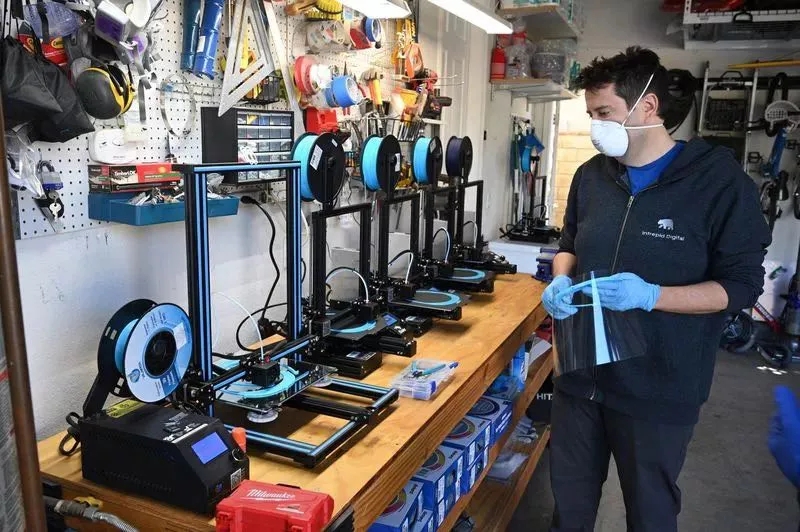
In a word, 3D printing has brought unprecedented flexibility and innovation space for the design and manufacture of musical instrument accessories. It is not only a perfect combination of technology and art, but also an important development direction of musical instrument manufacturing in the future.

 Hotline:18914229323

 18914229323
 huichangwen@126.com