First of all, the first step in making the hearing aid shell is to obtain the ear canal model of the user. The traditional method is to inject the ear mold material into the patient's ear canal by an otologist and take it out after curing to form a physical ear mold; Nowadays, more digital scanning technology is used, and the ear canal scanner is used to carry out high-precision 3D scanning of the ear canal to generate a three-dimensional digital model. This process is non-invasive and fast, and the data can be directly used for subsequent 3D printing.
Next is the design stage. Engineers use professional CAD (Computer Aided Design) software to carry out personalized design according to the digital model of ear canal. In this process, we need to consider the layout of electronic components inside the hearing aid, the fit of the shell, wearing comfort and aesthetics. The advantage of 3D printing lies in its high degree of freedom, which can realize complex structural design that is difficult to complete by traditional technology.
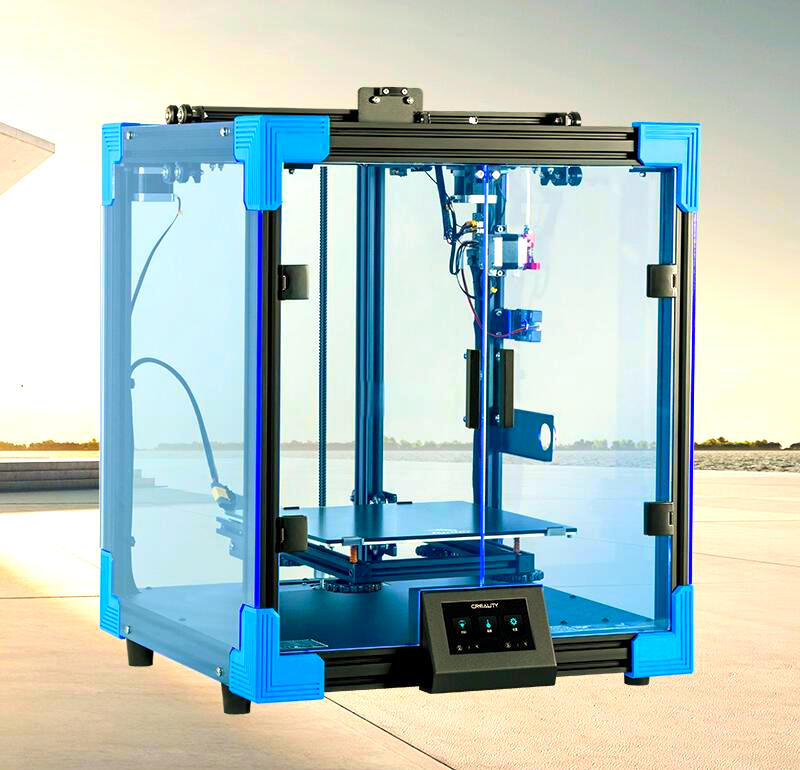
After the design is completed, it will enter the 3D printing stage. At present, commonly used printing materials include photosensitive resin (SLA technology) and engineering plastics (FDM or SLS technology). Among them, SLA (Stereolithography) technology is widely used in hearing aid shell manufacturing because of its high precision and smooth surface quality. After printing, post-processing procedures such as cleaning, curing, polishing and coloring are needed to ensure that the shell meets the wearing requirements.
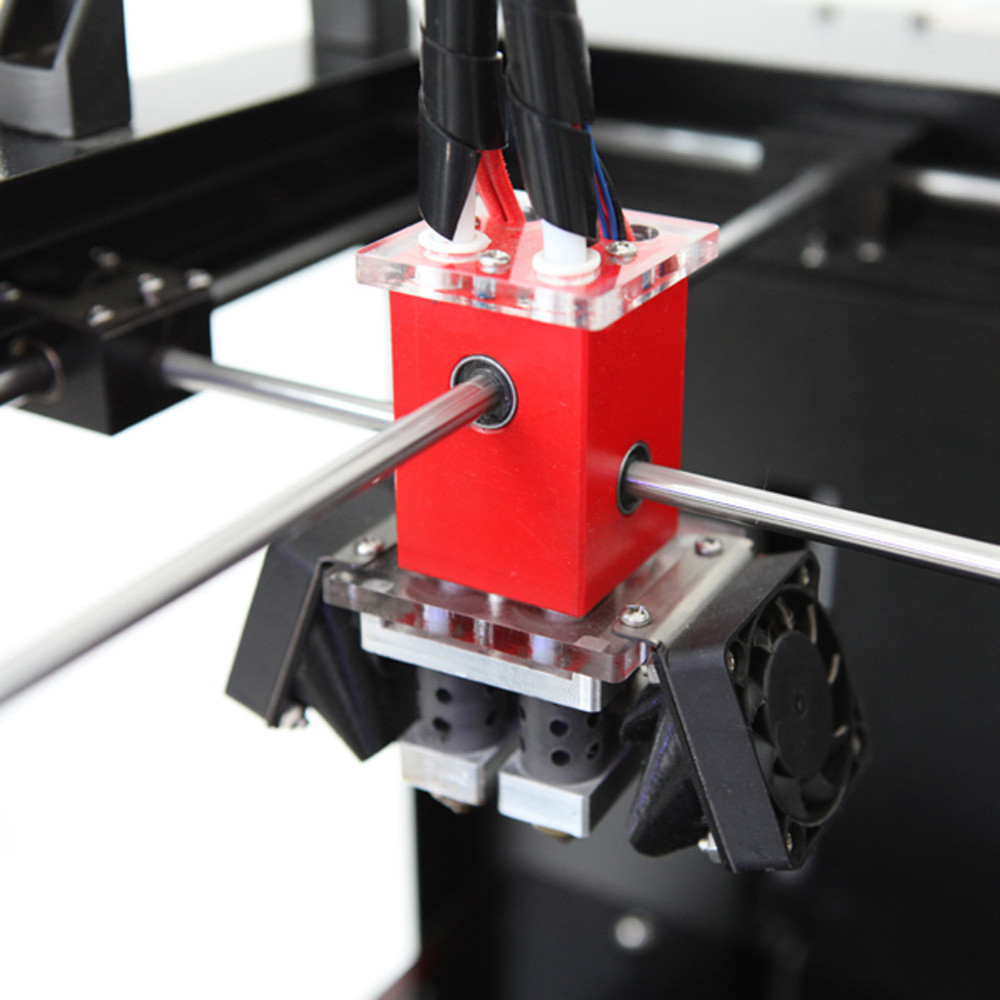
Compared with traditional manufacturing methods, 3D printing has obvious advantages. First, the production cycle is short, from scanning to finished products can be completed in a few hours; Second, it can realize complete personalized customization and improve wearing comfort and use effect; Third, reduce material waste and improve production efficiency; Fourth, it is convenient for mass production and inventory management and reduces the cost of enterprises.
In a word, 3D printing technology has brought revolutionary changes to the manufacturing of hearing aid housings. It not only improves the quality and comfort of products, but also brings better experience for hearing-impaired patients. In the future, with the further integration of artificial intelligence, big data and 3D printing technology, the design and manufacture of hearing AIDS will be more intelligent and personalized, bringing good news to more patients.

 Hotline:18914229323

 18914229323
 huichangwen@126.com