First of all, the choice of materials is the core factor that affects the strength of 3D printed parts. At present, the commonly used printing materials include PLA, ABS, PETG, nylon, photosensitive resin and metal materials. Among them, metal materials such as titanium alloy and aluminum alloy have high strength and heat resistance, and are suitable for high-demand industrial manufacturing. Engineering plastics such as nylon have good toughness and wear resistance. In addition, the application of composite materials (such as carbon fiber reinforced plastics) in recent years also provides a new idea for improving strength.
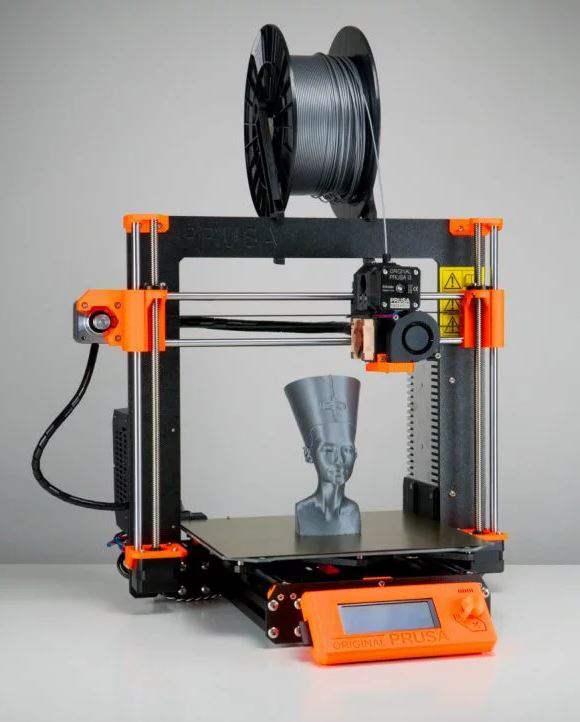
Secondly, structural optimization in the design stage before printing is one of the important means to enhance strength. Through topology optimization technology, the reasonable distribution of materials in key stress areas can be realized, the waste of redundant materials can be avoided, and the structural stability can be improved. It is also a common practice to introduce internal honeycomb structure or lattice structure, which can significantly improve the compressive and flexural properties while maintaining light weight.
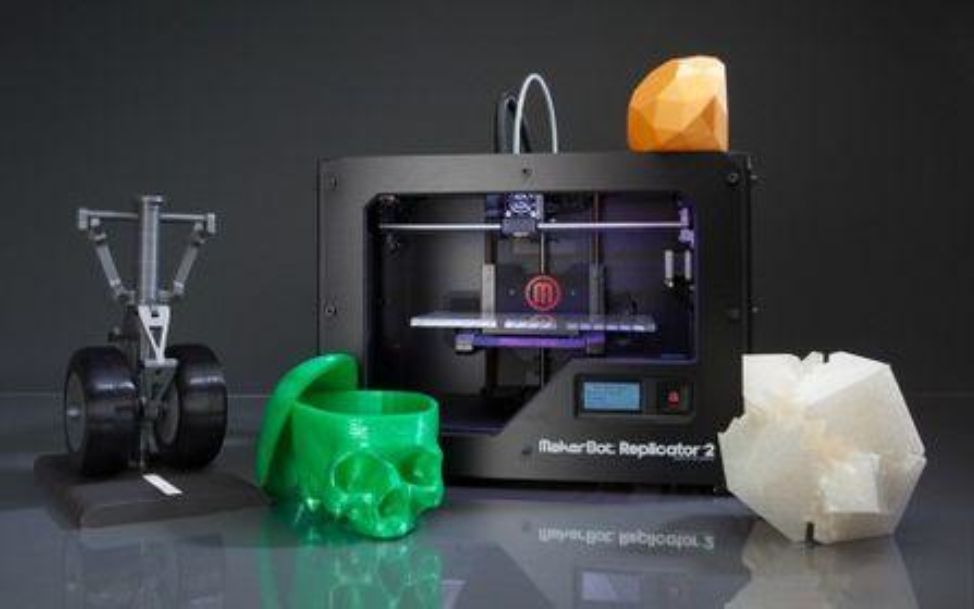
Thirdly, it is very important to set the printing parameters reasonably to improve the strength. For example, if the layer thickness is set too high, the adhesion between layers will be insufficient, and if the layer thickness is reduced properly, the adhesion between layers will be improved. The higher the filling rate, the higher the strength of the parts, but it also increases the printing time and the cost of consumables; In addition, the parameters such as nozzle temperature, printing platform temperature and cooling rate will also affect the crystallinity and internal stress distribution of the finished product, and then affect the overall strength.
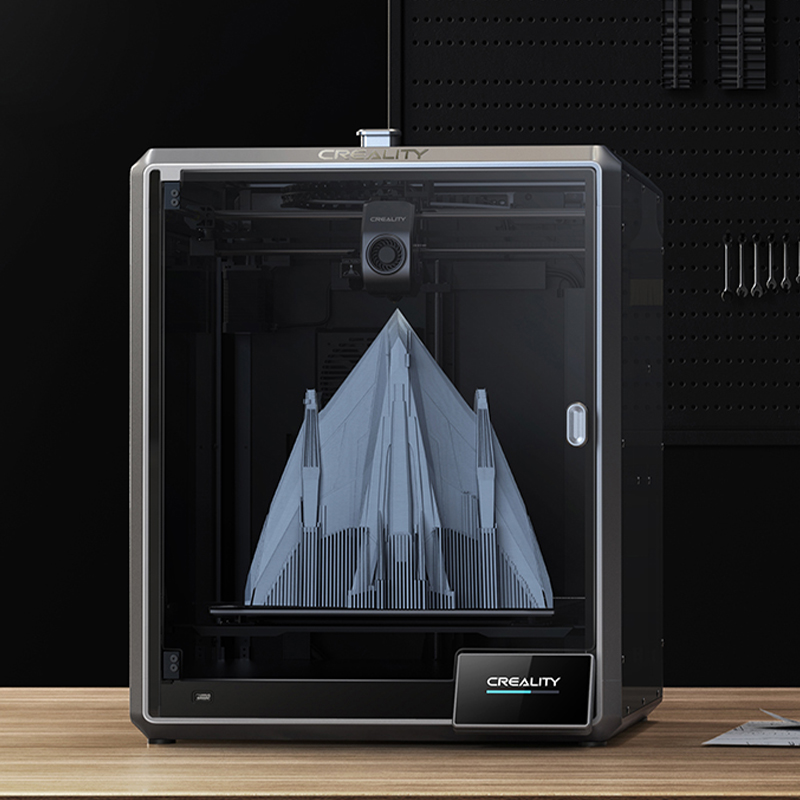
Finally, post-processing technology is also an indispensable link to improve the strength of 3D printed parts. Including annealing treatment, chemical polishing, coating treatment and other methods can effectively improve the mechanical properties of parts. For example, heat treatment can relieve the internal stress of materials and improve the order of crystal structure; Impregnating epoxy resin can close the surface micropores and improve the compactness and hardness.
To sum up, enhancing the structural strength of 3D printed parts is a systematic project, which requires concerted efforts from material selection, structural design, printing parameter optimization and post-processing. With the continuous progress and innovation of technology, 3D printing is expected to play an important role in more high-intensity application scenarios and promote the development of manufacturing industry in a more efficient and flexible direction.

 Hotline:18914229323

 18914229323
 huichangwen@126.com